2026.06.28
Five Surprises
When I started building Found, I didn’t plan for elevation. I didn’t plan for water. I didn’t plan for flight. In fact, most of what makes the world of Found one that I’m proud of didn’t come from any plan at all, but from a lack of one.
Let’s start with what I did plan from the beginning. I wanted a dynamic world built from fragments, or levels, whose arrangement the player shaped. I outlined NPCs with complex stories and inner conflicts, even if what the player saw was only a shallow glimpse. I plotted careful ability progressions with deep cultural ties and distinct terrains and environments that would make the space feel emotionally rich and the world full of variety. I’ve already spent a lot of words describing my intentions. So now, let me focus on something else: serendipity. Let me describe the things that my creative process left room for, even though they were completely unplanned.
One: Elevation
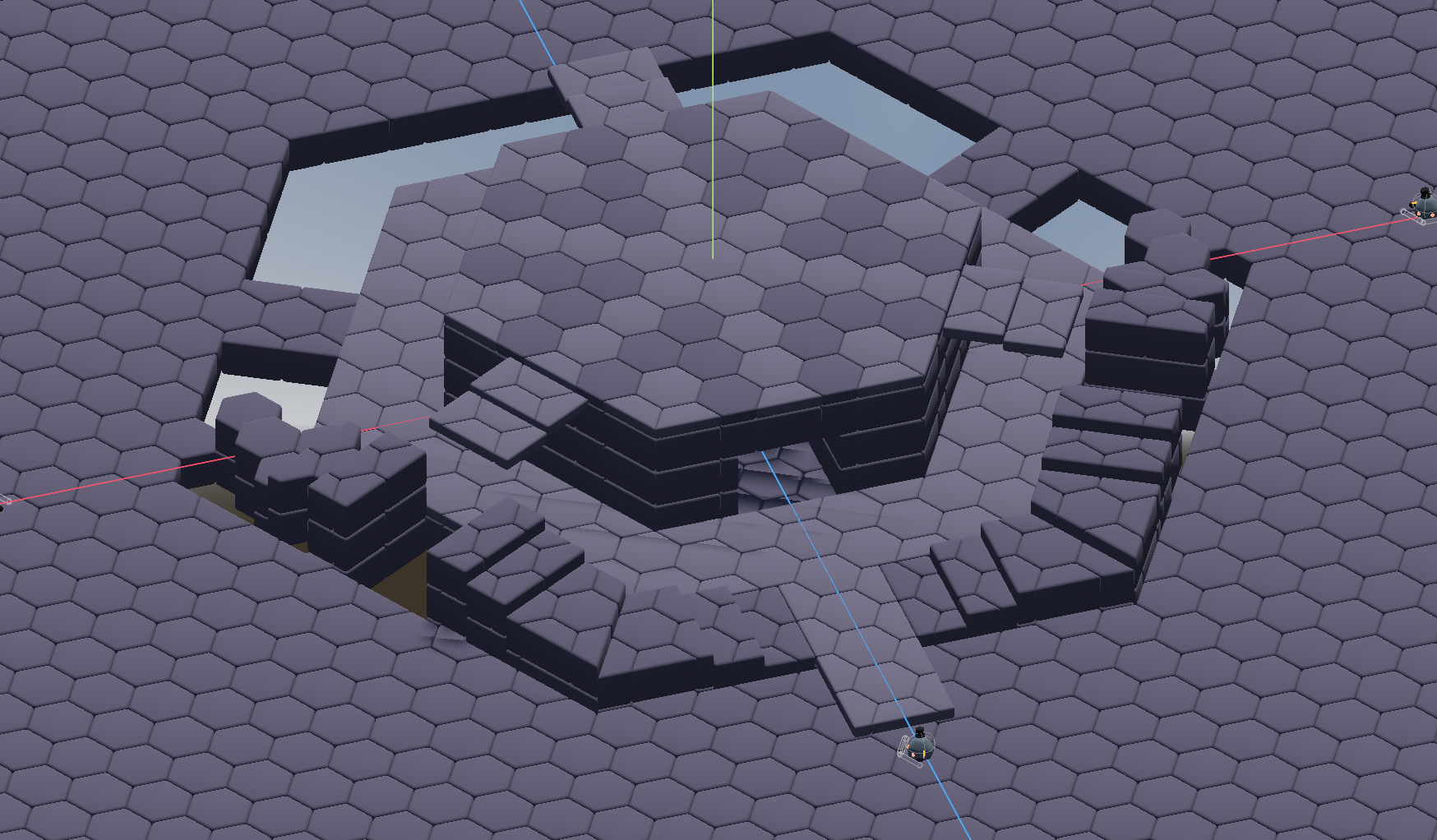
The world was originally flat. The player would navigate hedge mazes, stony cave mazes, and castle wall mazes. Then I started playing with the possibilities of gridmaps in Godot and I realized that I could build something more complex within my target aesthetic. At first it was a small set of stairs. This quickly evolved to entire mountain ranges with cave systems underneath, plateaus with sprawling views, and misty valleys.
Elevation, it turned out, was just the beginning.
Two: Water
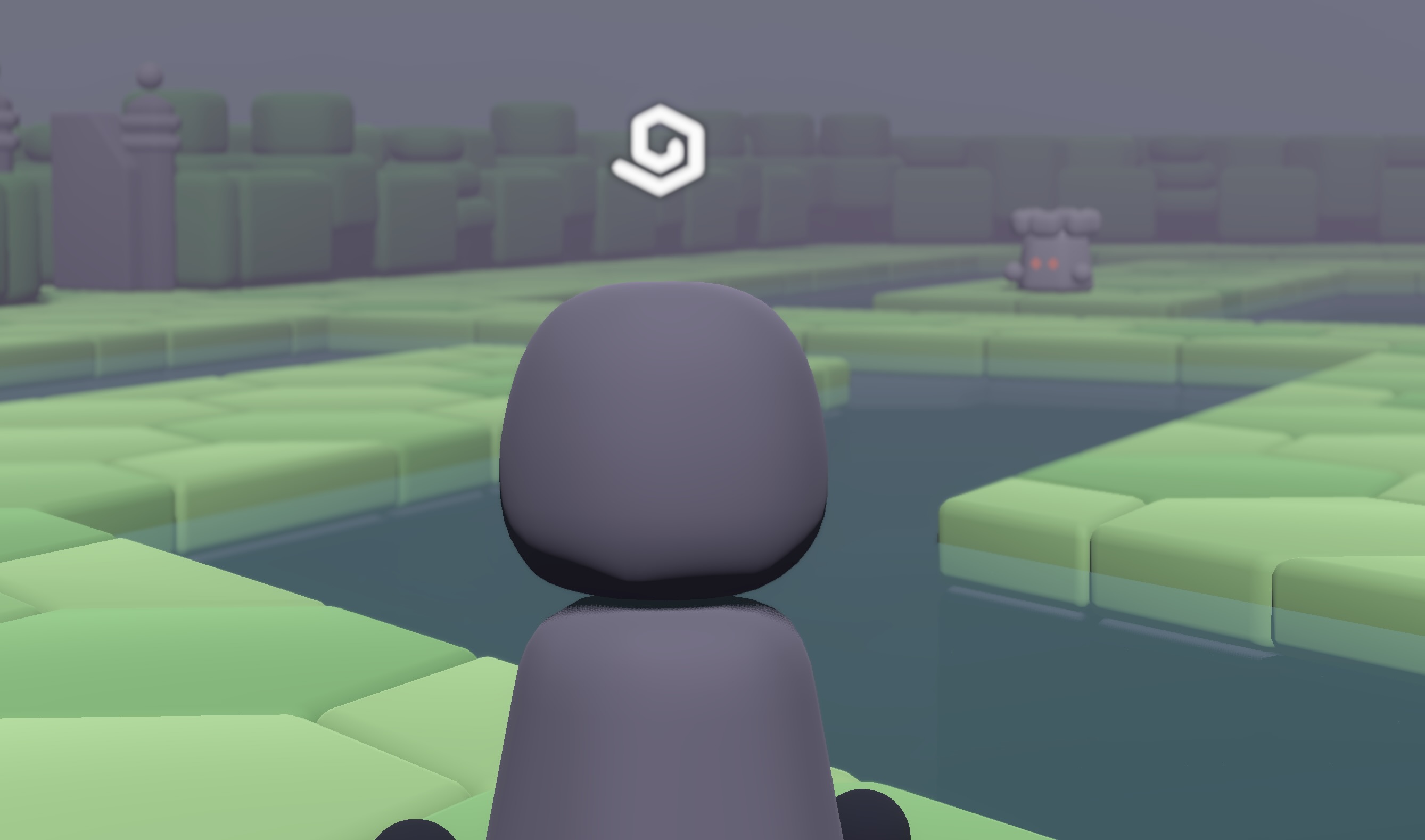
Height implies depth. Once the world had altitude, it needed somewhere for that altitude to drain, and watery depths became a whole new vector. This introduced a new challenge in gameplay. The player can’t breathe underwater, which creates a specific kind of pressure. Water forms natural walls for travel without stopping enemy projectiles from crossing it. It became one of the most tactically interesting features in the game without ever having planned it that way.
Three: Electrical Devices
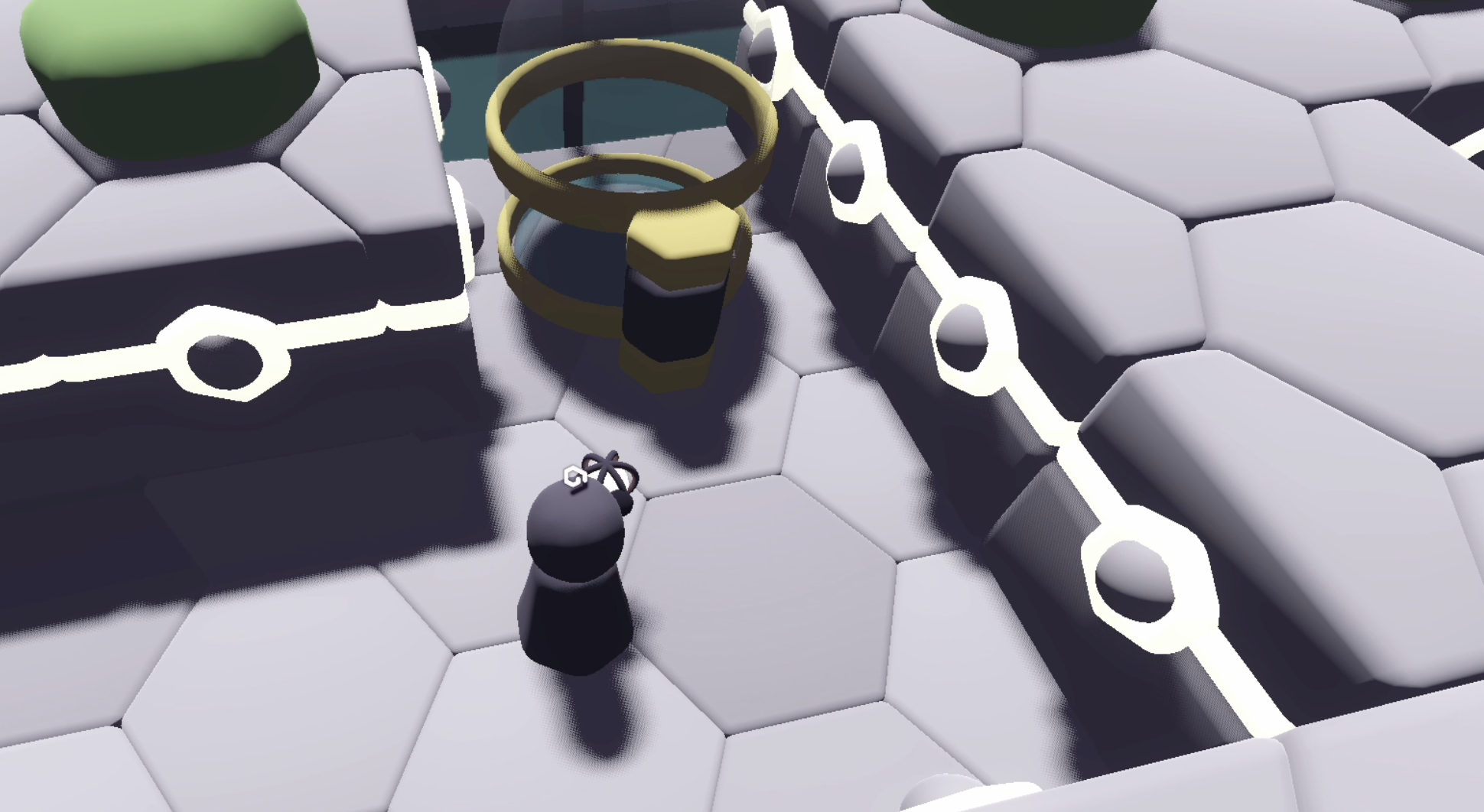
Height also meant the player needed to scale things. Steps worked, but lifts were more dramatic and used less space. This also helped me find a use for the player’s electricity ability that extended beyond combat. But I didn’t want it to just be lifts, so I created more powerable objects like pumps and drawbridges. The game gained a whole class of gate that didn’t require a literal key. Electricity became as much about manipulating the world as it did about combat.
Four: Flight
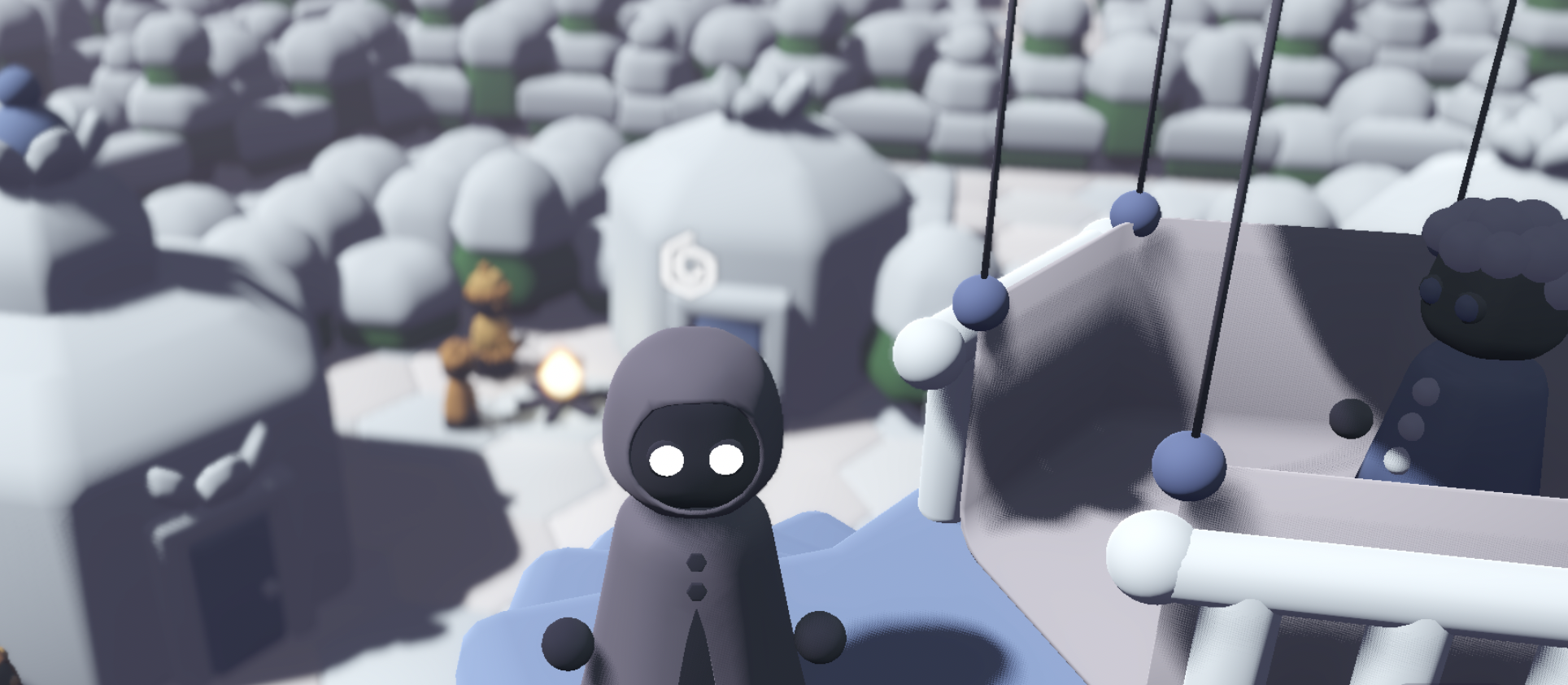
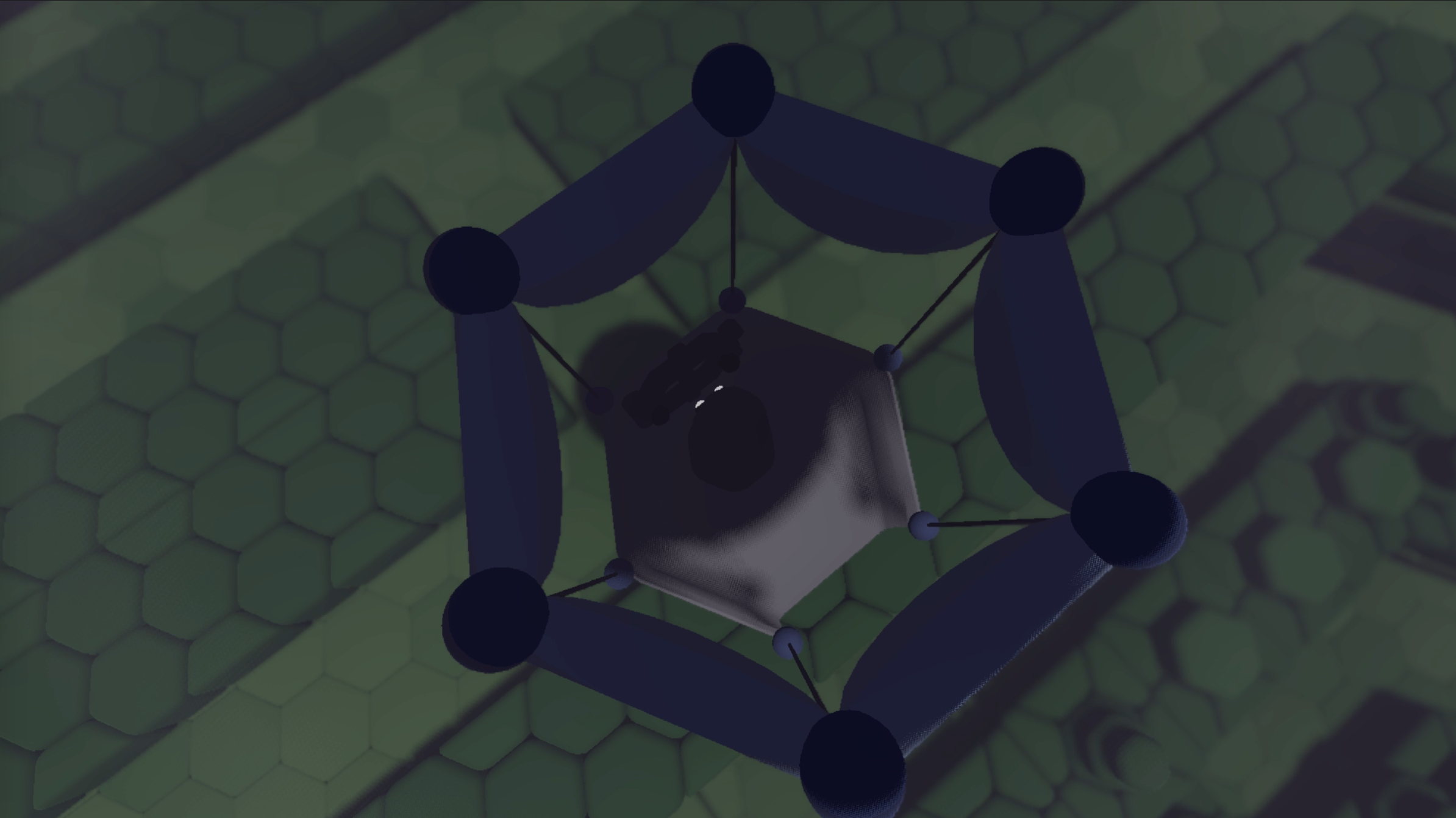
Seeing the world from above captivated me to the point that I built a character around the obsession. Fernin eventually becomes a pilot, and across multiple levels he offers the player access to a hot air balloon, which grants a full view of the landscape from high above it. In retrospect I probably should have predicted that building a gigantic world would create a demand for faster transit. But it was genuinely chicken-and-egg. Did the hot air balloon make the scale of the world possible, or did the scale of the world produce the need for the balloon?
Five: Piloting
As the world grew and Fernin’s arc became clear, I realized that story and mechanics were converging. Fernin would retire and Em would need to get their pilot’s license. Adding a mechanic like flying ninety levels into game development might seem crazy, and it certainly did create new challenges, but for the most part, these were resolved using existing game elements with the addition of some new characters, objects, and storylines. And the result, the ability for the player to see the world as they’ve created it from above, is more than worth it.
After seeing where the game has gone and how it’s surprised me, I find myself looking at its creation much as I do a painting or any other piece of art. I start with a rough idea and the conviction that creation is a mechanism for discovery, not just execution. Serendipity isn’t a happy accident. It’s what the process is for.